Guides
Senior Living for Immigrant Families: Culture, Language, Food
Many families want a place where an aging parent can feel at home, understood, and respected. If culture, language, and food matter to your family, they can be part of the search, and you do not have to choose between honoring home life and exploring a welcoming community.
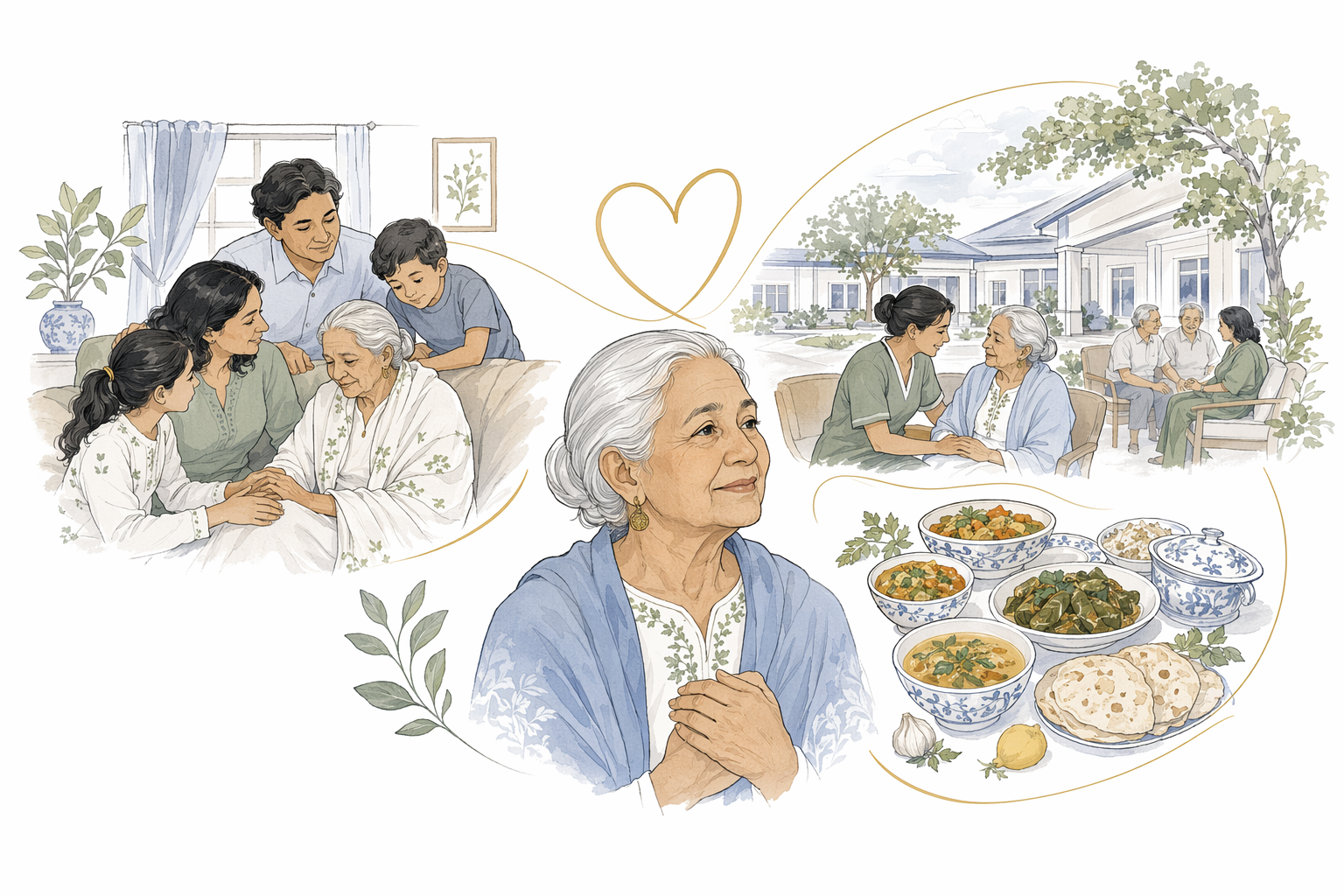
What senior living can look like
Senior living is not one thing. Independent living usually means your parent has a private apartment in a community with meals, activities, and fewer home chores. Assisted living is similar, with added day-to-day help for things like dressing, bathing, and medications. Continuing care offers more than one level of support in one community, so a parent may be able to stay in the same place as needs change.
For many immigrant families, the first question is not only "What help is available?" It is also, "Will my mother or father feel comfortable here?" That is a good question. A community can be a better fit when daily life feels familiar, respectful, and easy to enjoy.
- A private apartment or suite
- Shared meals and social time
- Activities, outings, and hobbies
- Less home upkeep and more convenience
- Different levels of support depending on the community
Culture matters in everyday life
A good match often comes down to the small, everyday details. Does the community understand how your parent likes to spend the day? Are holidays, family visits, prayer, music, and routines welcomed? Is there a sense of respect for elders that feels natural to your family?
Some parents want a lively social setting with people from many backgrounds. Others feel happiest when they hear their own language, see familiar traditions, or share meals that remind them of home. Neither choice is more correct. What matters is what helps your parent feel like themselves.
If your family has cared for a parent at home first, that matters too. Many families do. Looking at senior living does not erase that love or commitment. It is simply one more way to support your parent's comfort, independence, and connection.
- Language and communication
- Religious or spiritual practices
- Family visiting style
- Celebrations and traditions
- A respectful feel that fits your parent
Language and communication can change everything
When a parent can speak in the language they know best, daily life often feels easier and warmer. Simple things matter. Greeting neighbors, joining an activity, asking a question at dinner, or chatting with staff can help a parent settle in and build confidence.
Some communities have team members who speak more than one language. Others may have residents from similar backgrounds, translated materials, or a culture of patience and inclusion. It is fine to ask direct questions about communication. You are not being difficult. You are helping your parent find a place where they can belong.
If you want help thinking through these questions, Willowbarrow offers a free, multilingual guide and matching service. We are not a senior-living provider, and your family always chooses what feels right. You can start with our guides or get matched when you are ready.
- Who speaks my parent's language?
- How are important daily questions handled?
- Are activities welcoming for non-English speakers?
- Can family members communicate easily with the team?
Food is comfort, memory, and community
Food is about much more than nutrition. It is comfort, habit, identity, and joy. For many parents, familiar meals help a new place feel less new. The smell of a favorite soup, rice dish, bread, tea, or spice can bring real comfort and make mealtimes something to look forward to.
Ask what meals are like from day to day. Does the menu change often? Can the kitchen handle cultural preferences or familiar flavors? Are residents able to request simple favorites? Some communities offer a wide variety of foods. Others may be more limited. The goal is not perfection. It is to understand whether your parent will enjoy eating there and feel included at the table.
It can also help to visit during a meal, if possible. Watch the room. Do people seem relaxed? Are families welcome? Does the dining experience feel friendly and unhurried? Those details can tell you a lot.
- Ask to see a sample menu
- Notice whether meals feel social and pleasant
- Look for flexibility around familiar foods
- Pay attention to the overall dining atmosphere
Balancing care at home with a community
Many families start by caring for a parent at home, and that choice deserves respect. In some families, that is an important cultural value. In others, it is simply what felt right at the time. A move to senior living does not have to mean stepping away from family life. Often, it means changing the kind of support you give.
Instead of managing every meal, chore, and daily task, family can focus more on visits, companionship, holidays, and being together as son, daughter, spouse, or grandchild. For some parents, that shift brings more freedom too. They may enjoy more social time, less isolation, and fewer responsibilities at home.
If you are comparing options, it may help to read about different living choices and use a simple list of questions when you visit places. Our senior living questions checklist can help you stay organized without feeling overwhelmed.
- Home care and senior living can both be loving choices
- Family involvement often stays strong after a move
- A community can add social life, meals, and convenience
- It is okay to take your time and compare options
What to ask when looking for the right fit
Try to picture your parent's real daily life, not only the brochure. Where will they spend time in the morning? Who might they talk with? What meals will they enjoy? How easy will it be for family to visit? These practical questions often reveal more than polished marketing.
You can also ask whether the community has experience serving families from different cultural backgrounds. Listen for openness, not perfect wording. A thoughtful team will usually answer with respect, honesty, and a willingness to talk through what matters to your family.
Cost is important too. Prices vary widely. In many parts of the US, independent living may start around a few thousand dollars per month, while assisted living is often higher. The real number depends on the city, the apartment, the level of support, and what is included. It is always okay to ask for a clear explanation of monthly costs and extra charges.
- What languages are spoken here?
- What are meals like, and can you show us a sample menu?
- How does the community welcome different cultures and traditions?
- What is included in the monthly price, and what costs extra?
- How easy is it for family and friends to visit?
You can look for senior living that respects your parent's language, traditions, and favorite foods, while still honoring the love and care your family has already given at home.
Common questions
Can we still be closely involved if my parent moves to a community?
Yes. Many families stay very involved through visits, meals, celebrations, calls, and helping with decisions. A move often changes the type of support a family gives, not the closeness of the relationship.
Is it realistic to look for a community that speaks my parent's language?
In many areas, yes, but it depends on the city and the community. Even when a full language match is not possible, it is still worth asking about bilingual team members, translated materials, and how the community helps residents feel understood.
What if food is one of the most important things to my parent?
That is completely reasonable. Ask to see sample menus, talk about favorite foods, and if possible visit during a meal. Familiar, enjoyable food can make a big difference in how comfortable a parent feels.
Does Willowbarrow place my parent in a community?
No. Willowbarrow is a free guide and matching service, not a senior-living provider. We help families explore options, and your family makes the final choice.